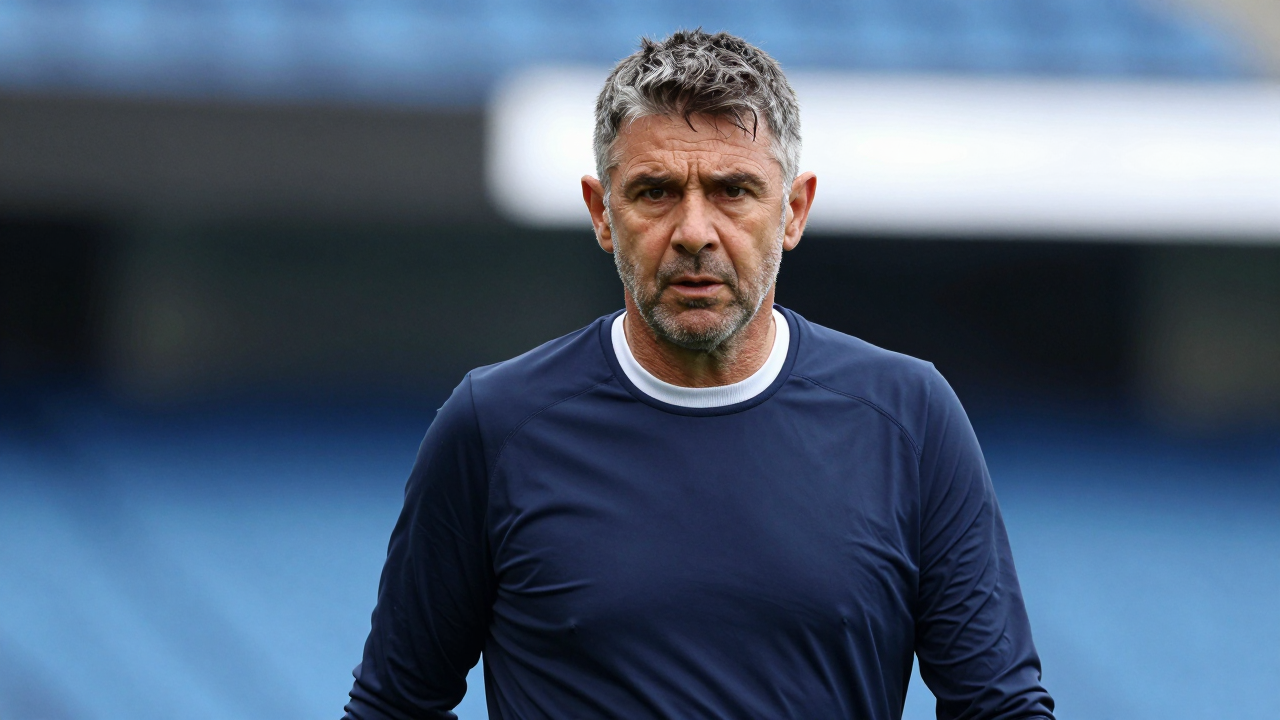

The atmosphere at St. Andrew's has, at times recently, felt heavy with a sense of frustration. As devoted Blues, we all want to see our team competing hard, playing with purpose, and, most importantly, picking up points. But a candid tactical analysis of our recent form suggests that while effort is rarely questioned, the execution of our game plan, and perhaps the plan itself, needs a sharper edge.
Looking at our defensive shape, there's a recurring theme of vulnerability, particularly through the central channels. Often, our midfield pivot seems stretched, leaving too much space between the lines for opposition creative players to operate. This opens up avenues to our back four far too easily, forcing our centre-backs to step out or our full-backs to tuck in, which then exposes the wide areas. Set-piece organisation, too, has been a bugbear; we've conceded what feel like avoidable goals from corners and free-kicks, suggesting a need for tighter marking and clearer responsibilities. A tweak here could involve a more disciplined defensive midfielder, perhaps a specialist 'destroyer' who screens the backline more effectively, or even considering a situational shift to a back three to add an extra body and enhance aerial presence in our own box during periods of sustained pressure.
Our midfield engine room often appears to lose the battle for second balls, ceding control and tempo to opponents. While individual talent is present, the collective movement and decision-making when transitioning from defence to attack can be slow or predictable. We often struggle to progress the ball quickly and creatively, leading to disjointed attacks where our forwards are left isolated. To combat this, we need more dynamism and aggression. Introducing a midfielder with a higher work rate who can cover ground and break up play, combined with another who possesses the vision to unlock defences with a precise pass, could be transformative. Emphasising quicker transitions, both defensively to close down space and offensively to hit teams before they can reorganise, would inject much-needed urgency.
Upfront, our attacking play has too often lacked genuine penetration and a consistent cutting edge. The lone striker, if that's the chosen system, can become a lonely figure, starved of quality service. Our wide players, while contributing, sometimes drift centrally too early, neglecting to stretch the play and create space. This predictability makes it easier for opposition defences to bottleneck our attacks. To rectify this, we need more varied attacking patterns. Encouraging our full-backs to provide genuine width and overlap, getting more bodies into the box from midfield, and perhaps even experimenting with a two-striker system in certain games could provide the tactical surprise we need. Alternatively, a 'false nine' who drops deep to link play and pull defenders out of position might create the space for others to exploit.
Ultimately, a successful tactical tweak isn't just about formations on a whiteboard; it's about player understanding, intensity, and belief. The gaffer needs to instil a clear, adaptable tactical identity that allows the players to react to different match scenarios. Whether it's a subtle shift in pressing triggers, a more direct approach when the situation demands, or improving our ability to see out games, these small adjustments can have significant impacts. The Championship demands tactical flexibility and a relentless drive. We, the faithful, know The Blues have the potential; it’s about unlocking it with the right blueprint. Keep Right On!